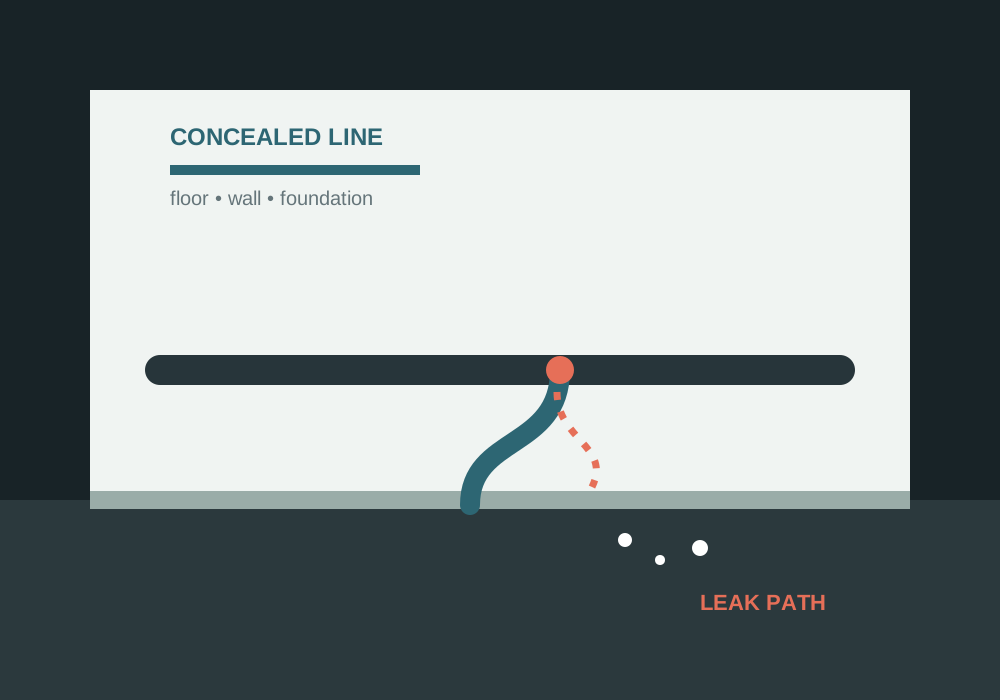
Follow the evidence when the source is hidden.
A suspected leak often starts with a clue: moisture, a sound, a water-use change, staining, or an area that stays damp. The clue can help narrow the question without proving the cause.
What you notice → what it may suggest
These relationships are general plumbing information, not a diagnosis of a particular property.
| What you notice | What it may suggest | Useful question |
|---|---|---|
| Water bill is higher than expected | Possible ongoing water use or loss | Has anything changed in fixtures, irrigation, appliances, or visible plumbing? |
| Damp area without an obvious source | Water may be arriving from a concealed route | Is the moisture consistent, intermittent, or spreading? |
| Water sound when fixtures are off | Possible unintended flow | Does the sound stop when the water supply is isolated? |
| Warm/cool or damaged floor area | Possible concealed plumbing issue among other causes | Is the change localized or broad? |
| Moisture near a foundation or basement area | Could involve plumbing, drainage, groundwater, or another source | Where is the water entering, and under what conditions? |
A slab is a surface. The plumbing is below it.
When a plumbing line runs beneath a concrete slab, the visible sign may appear some distance from the actual leak. That is one reason “under slab leak” and “slab leak detection” searches often begin with a symptom rather than a visible pipe.
Other causes can produce similar signs. A careful investigation should distinguish between plumbing leakage and other sources of moisture before assuming the cause.
A damp spot is evidence, not an answer.
Look at the pattern: where moisture appears, when it appears, what changes when water is used, and whether the suspected route makes physical sense.
Read common questions